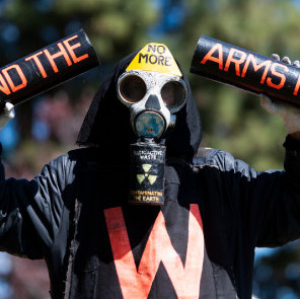
Nuclear Weapons
WILPF has been demanding the elimination of nuclear weapons since the dawn of the nuclear age. As part of this effort, Reaching Critical Will worked with the International Campaign to Abolish Nuclear Weapons (ICAN) to achieve the Treaty on the Prohibition of Nuclear Weapons READ MORE
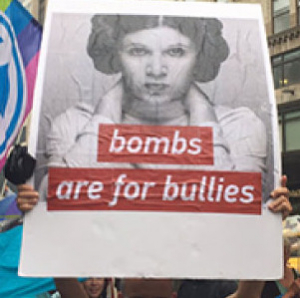
Feminism and Disarmament
For 105 years, WILPF has articulated the links between militarism and gender norms such as violent masculinities. Much of the discussion on disarmament perpetuates the highly problematic gender constructions of men who are violent and powerful and women that are vulnerable and need to be protected. READ MORE
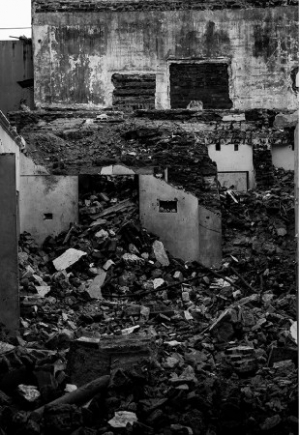
Explosive Weapons
The use of explosive weapons in populated areas, or the bombing of towns, cities, and villages, leads to vast humanitarian harm, destruction of civilian infrastructure, and environmental degradation. READ MORE

Autonomous Weapons
WILPF is working to prevent the development of autonomous weapon systems, also known as killer robots, which are weapons that would function without meaningful human control. READ MORE
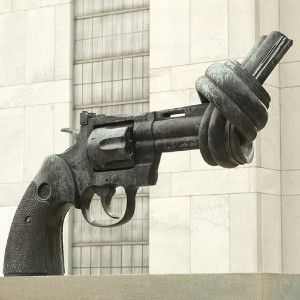
Arms Trade
The international arms trade is big business. The profits generated from the production and sale of weapons are put above the lives of the people these weapons are used against. Since its founding in 1915, WILPF has called out war profiteering as the biggest obstacle to peace. READ MORE

Cyber Peace
The word “cyber” has come to refer to an ever-widening spectrum of activities encompassing espionage, surveillance, privacy intrusions, denial-of-service attacks, ransomware, and malware operations that variously impact states and individuals. READ MORE

Small Arms and Light Weapon
The production and proliferation of small arms and light weapons (SALW) pose a grave danger to international security and stability, and threatens the lives of millions of people around the world every day. READ MORE
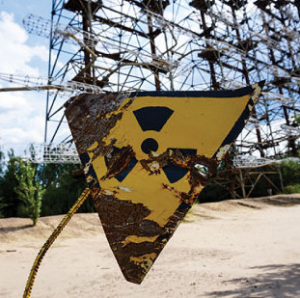
Nuclear Power
Nuclear energy is the energy in the nucleus, or core, of an atom. Atoms are tiny units that make up all matter in the universe, and energy is what holds the nucleus together. There is a huge amount of energy in an atom's dense nucleus. READ MORE

Outer Space
Space has been militarised since the earliest communication satellites were launched. Today, militaries all over the world use satellites for command and control, communication, monitoring, early warning, and navigation with the Global Positioning System. READ MORE
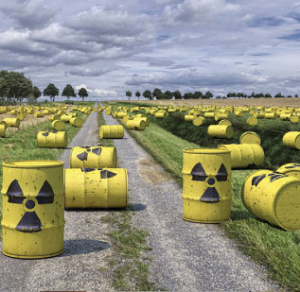
Environment and Disarmament
Weapons and armed conflict have a plethora of impacts on the environment and the climate. The military-industrial complex’ greenhouse gas emissions surpass those of entire countries, accelerating the climate crisis. READ MORE
Military Spending
The international arms trade is big business. The profits generated from the production and sale of weapons are put above the lives of the people these weapons are used against. Since its founding in 1915, WILPF has called out war profiteering as the biggest obstacle to peace. READ MORE
Biological and Chemical Weapons
Next to nuclear weapons, biological and chemical weapons belong to the category of weapons of mass destruction (WMD). Their use is banned under international law – under the Chemical Weapons Convention and the Biological Weapons Convention, respectively. READ MORE
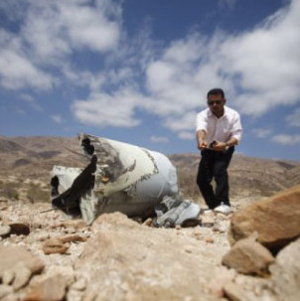
Drones
Armed drones are the leading edge of "emerging technologies of violence" - technologies and weapons designed to make killing more remote and that lower the threshold for their use. READ MORE
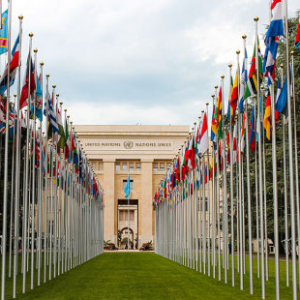
Participation in Disarmament
Only decision-making processes that meaningfully include diverse participation and perspectives of those affected can lead to lasting disarmament. This is why Reaching Critical Will provides monitoring, reporting, and analysis of many multilateral disarmament, arms control, and non-proliferation meetings for free to interested civil society actors. READ MORE